
Cradled in the highlands of Roosevelt Country, lies Lamar Valley, nicknamed “Serengeti of Yellowstone” or “North American Serengeti” for its striking and diverse wildlife. We learned from the ranger station that the best time to go there was early to mid-evening. That’s when it gets cool enough for the widest selection of animals to come out—to graze and play—and there’s still enough natural light to really see them. (This far north, in summer, the sun remains in the sky quite late into evening.)

We left our base camp at the Lake Yellowstone Hotel in the late afternoon with a group of other visitors setting out for a “photo safari” to Lamar Valley. On the way, we passed by beautiful Hayden Valley and spotted many wonderful animals: beavers, yellow bellied marmots, black bears, and bison, among others. And here I thought our “safari” would begin when we got to the “Serengeti”—who knew it would be such a rich visual feast the whole way!
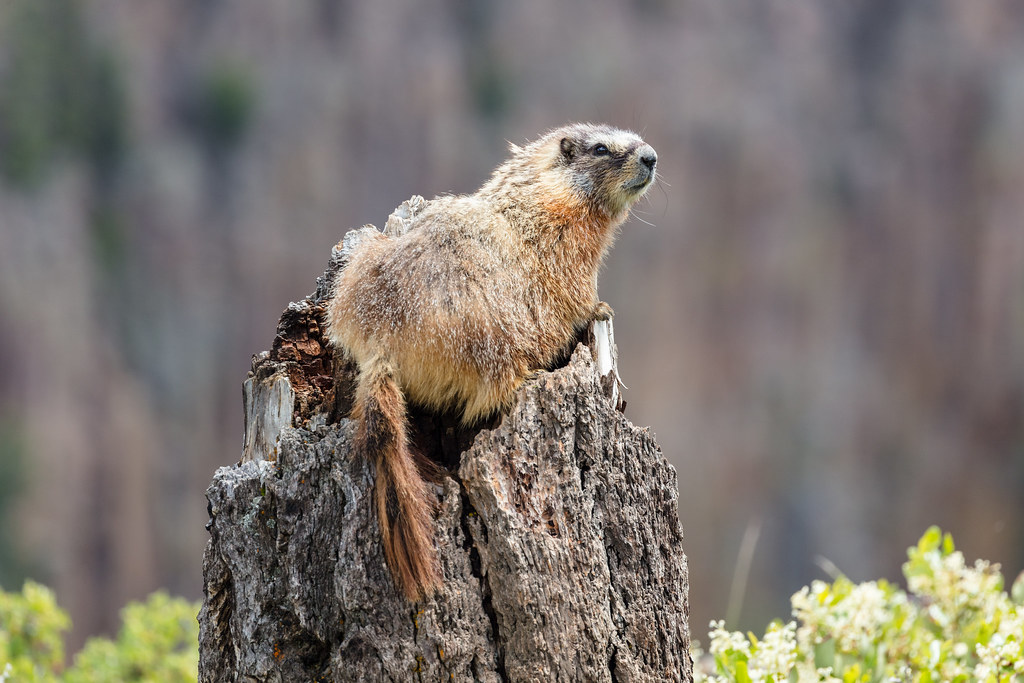
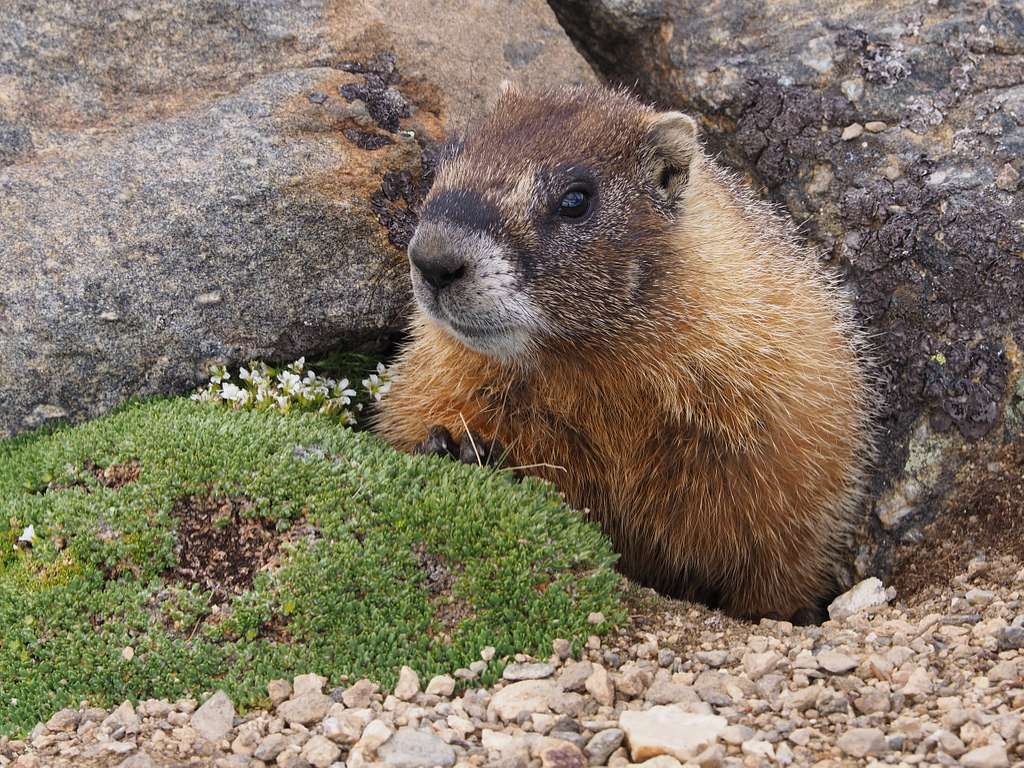

Above: Yellow Bellied Marmots. Below: Black Bear mother and cub. National Park Service Photos. Public Domain.

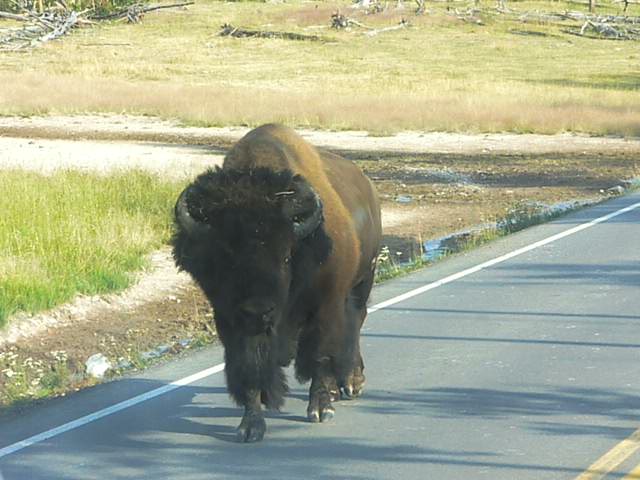
En route, I learned that the bison of Yellowstone always have right of way and step aside for no one! There was this one large bull that casually wandered onto the road, right in front of us, and we just had to wait while he stood there indifferently, swatting himself with his tail. Several other cars lined up behind us as well. Then, when he was good and ready, he yawned (or I think that’s what he was doing with his face) and turned off the road and headed toward a large field where other bison were hanging out.

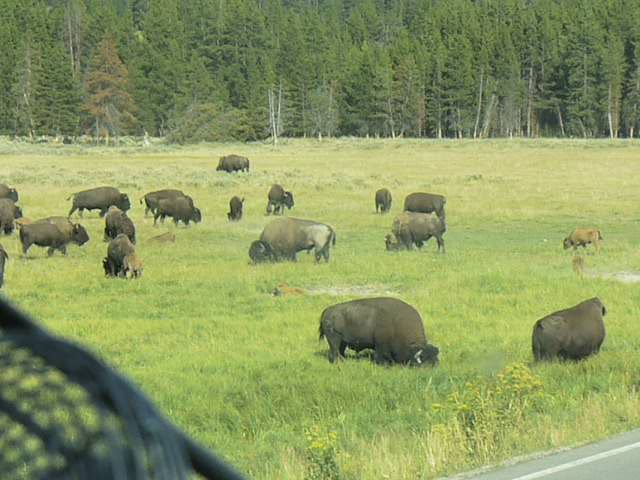


(Above and Below): Bison by the roadside and on the road. Photos by Koli Mitra.
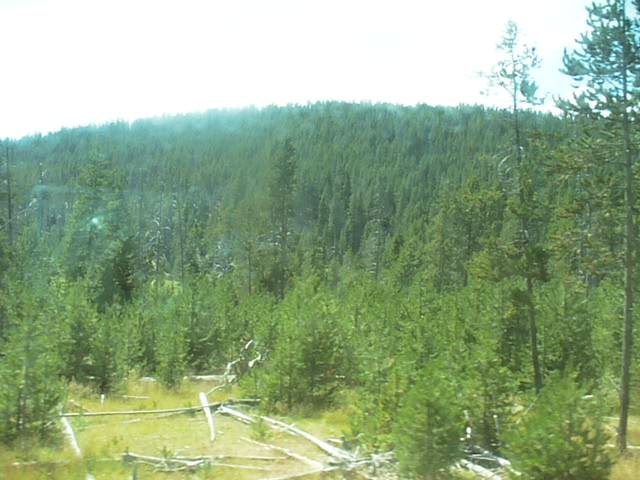
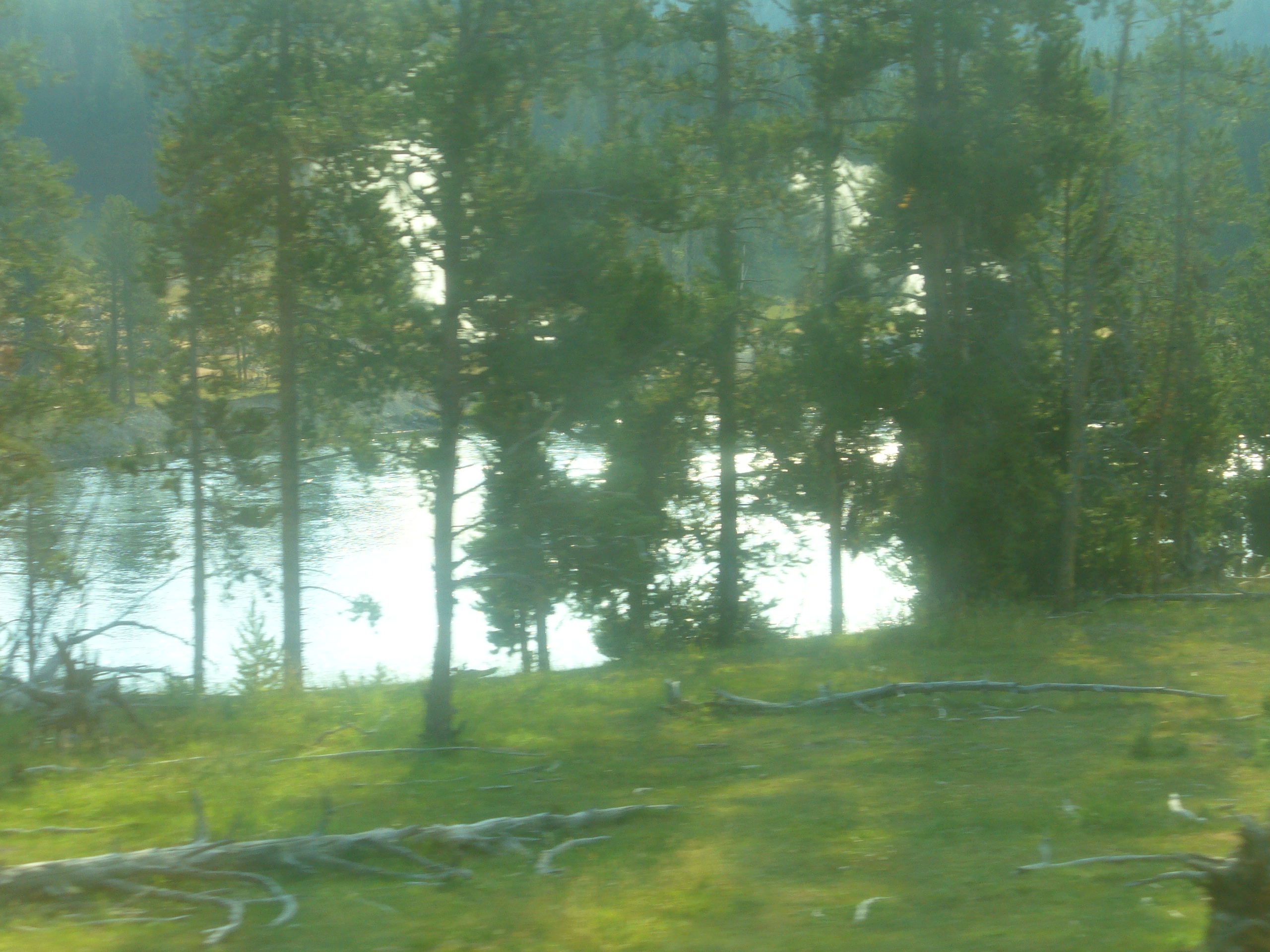
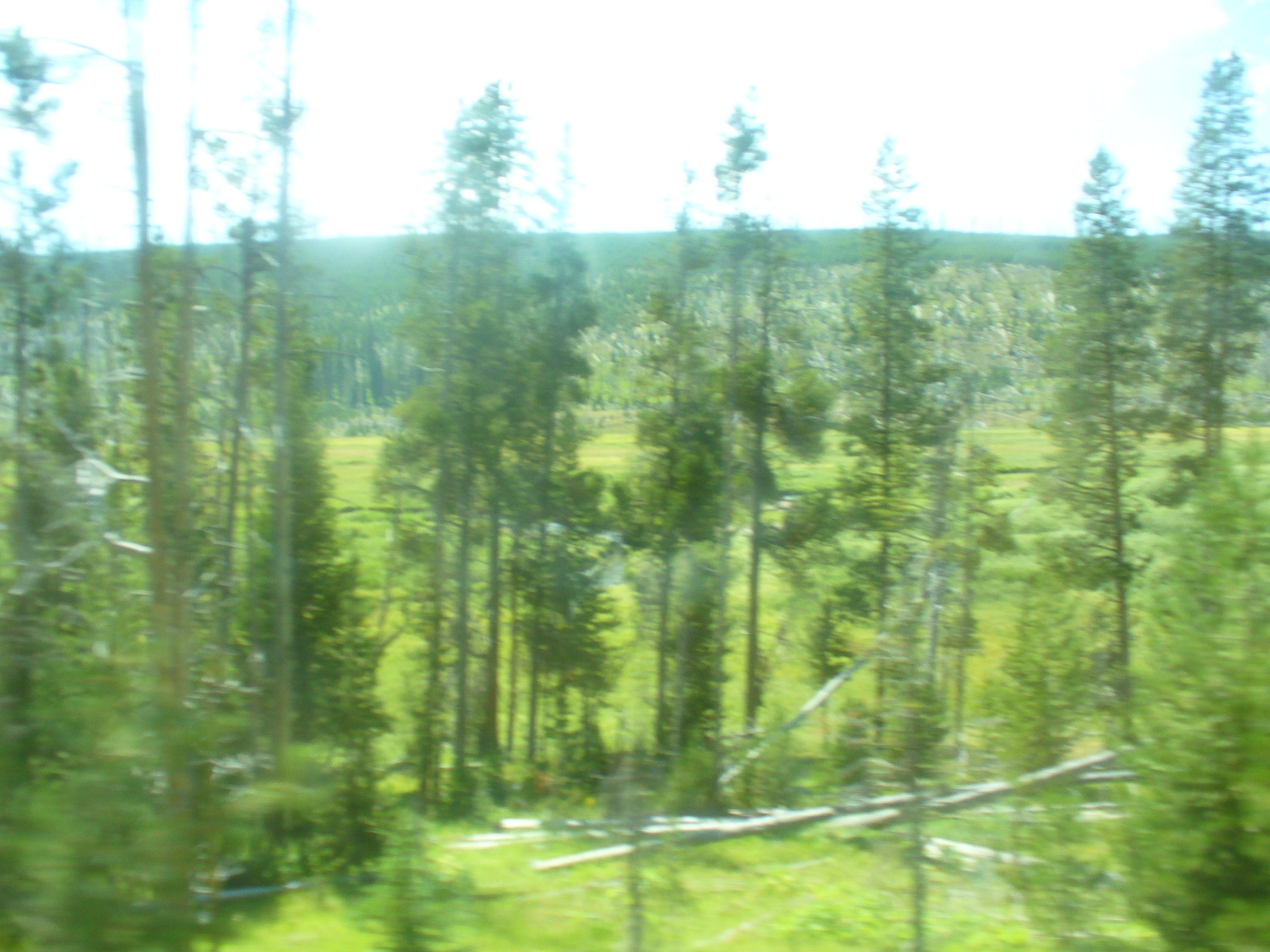
We saw beaver constructions of such proportions, such remarkable feats of building prowess, that at first I literally didn’t believe it could be the work of such modest-sized rodents. Our guide pointed to an enormous system of what looked like human irrigation dams from pre-industrial times, like ones you might see in old paintings. Not just dams and ponds; these industrious creatures build silos and shelters known as beaver lodges. They collect stones, twigs and other materials that they use to build these structures, but they can also make their own timber by felling whole trees, patiently gnawing through the trunks! In fact, beavers are among the few species—including, most prominently, humans—that are classified as an “ecosystem engineer” meaning that they modify and structure the natural environment to a notable degree and sometimes destroy habitats. They are also considered a “keystone species” meaning that they have a disproportionate impact on their environment.

Above: a dam built by beavers, a feat of engineering to rival humans. National Park Service Photo. Public Domain.
Below: winding lakes and timber-yards of the busy-beavers. Photos by Koli Mitra.
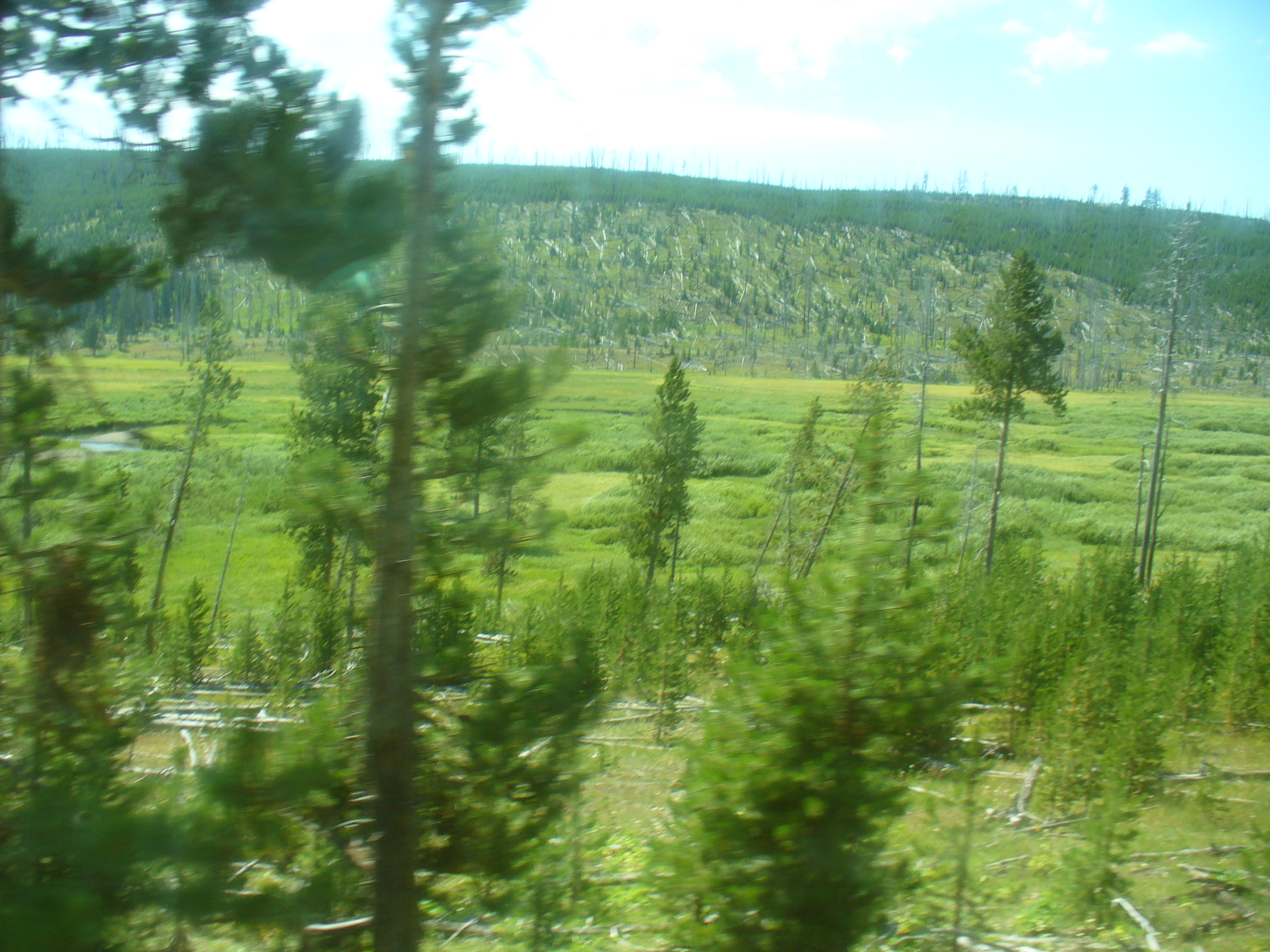
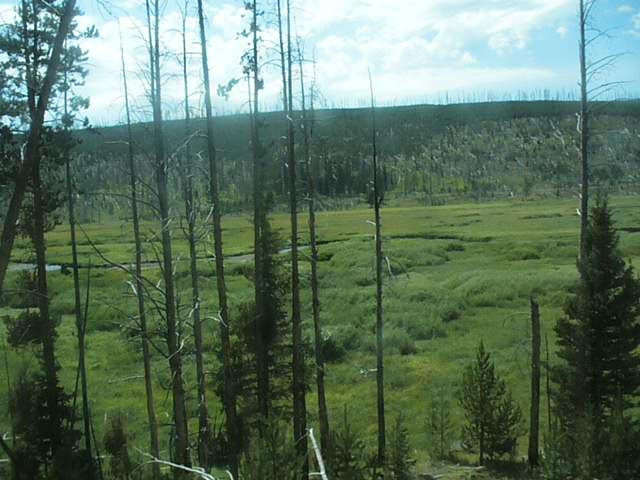
Everyone praises the visual splendors of Yellowstone. Nobody mentions the olfactory ones, so I wasn’t expecting what hit me as we approached Lamar Valley. The entire mountainside was fragrant with the scent of wild sage! The North American “white” Sage is similar to its darker Mediterranean cousin (which you probably have in your pantry). But the faint floral note and sheer scale was like nothing I had ever smelled or imagined.
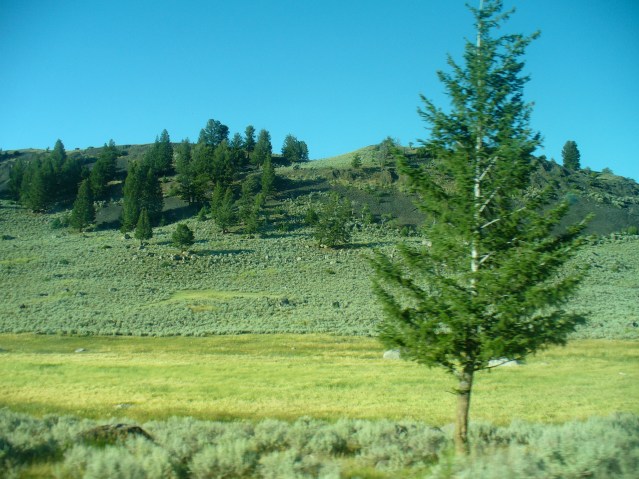
It was also visually spectacular. The translucent, icy green-gray sage bushes grew – nearly luminescent against a royal blue Lamar River, an azure sky, and a sea of dusty yellow and green grasses – everywhere, all along the gently sloping valley, from the high plains almost down to the riverbed. And, all along this beautiful valley, on warm summer evenings, families of antelope and elk come for the grass and sage, and the coyotes and wolves come for the antelope and elk.

It was a sight to remember. Pronghorn Antelope were feeding on sage and grass in small groups of mostly females and calves. A few young bucks were among them, but unfortunately, we saw no adult males with the fully grown antlers that give the species their their name.

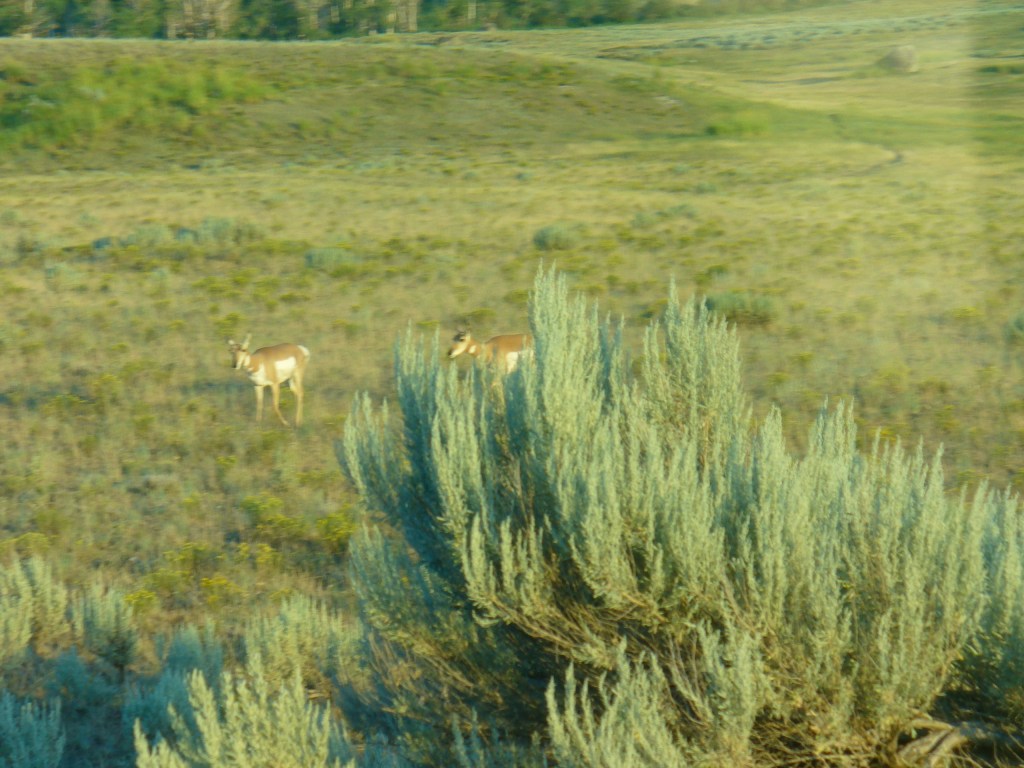


Pronghorn families. Photos by Koli Mitra.
Nonetheless, the American “Serengeti” lived up to its moniker. We sighted bison, elk, even a bear, and a few coyotes in the distance.

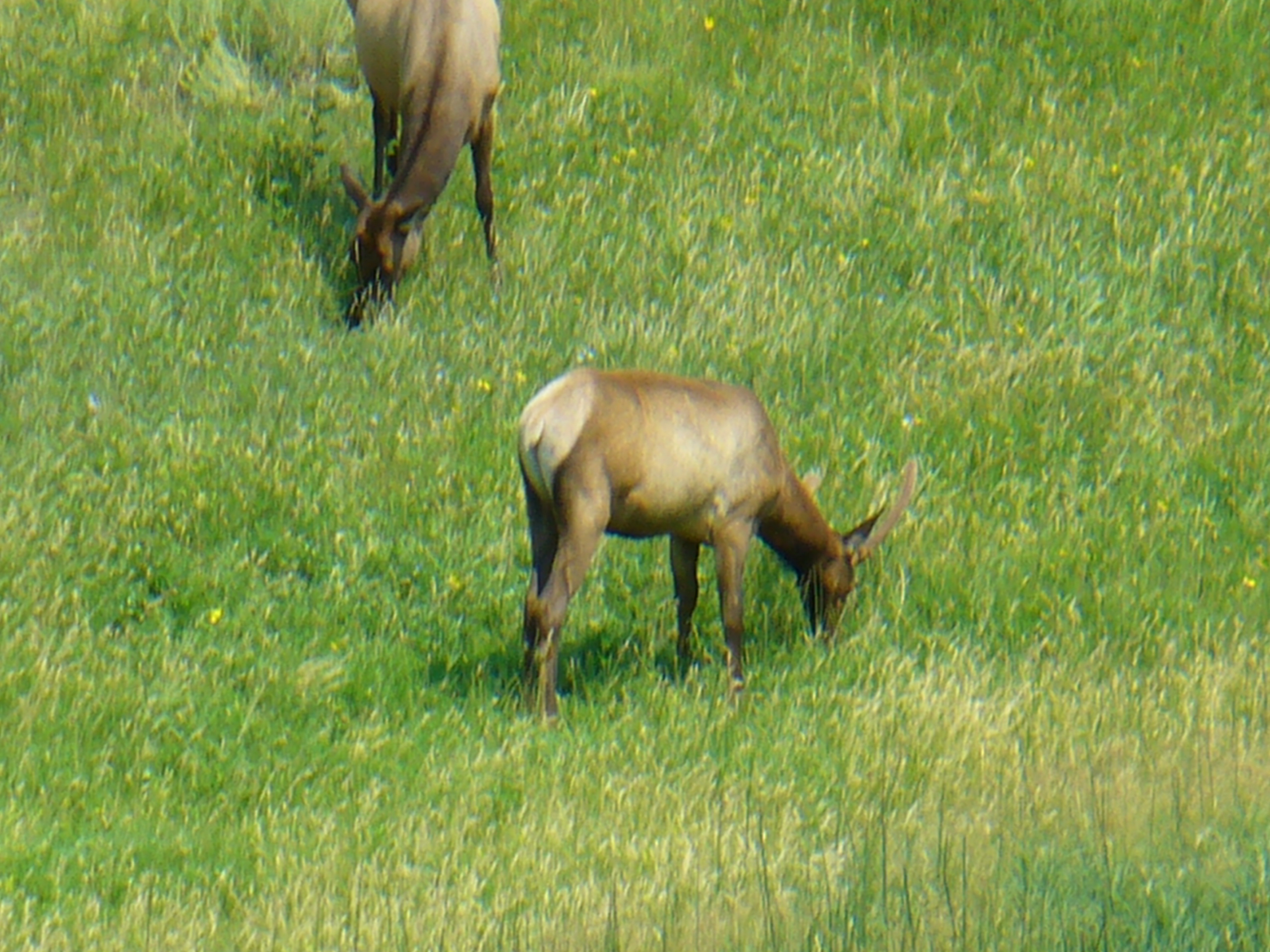


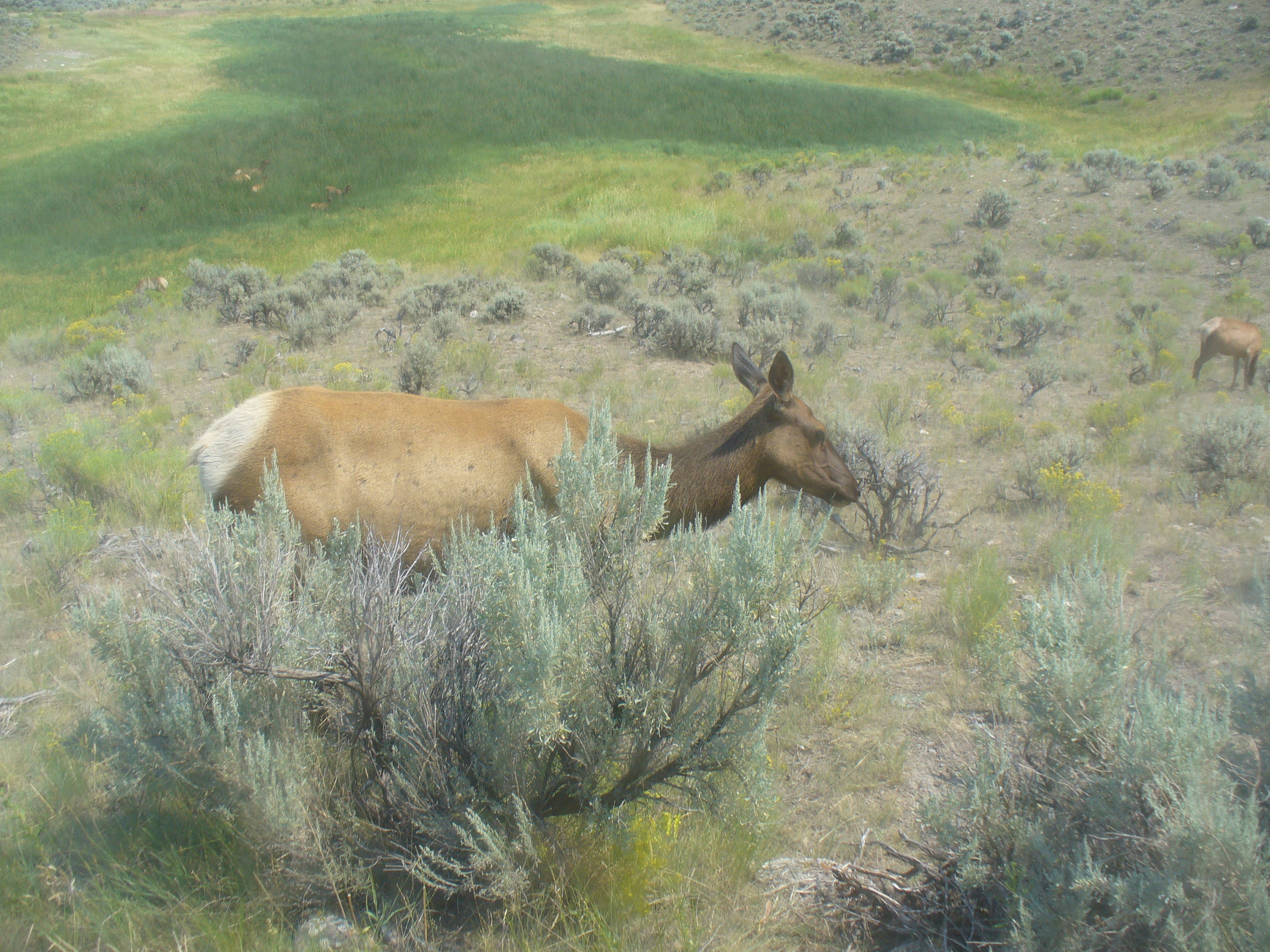
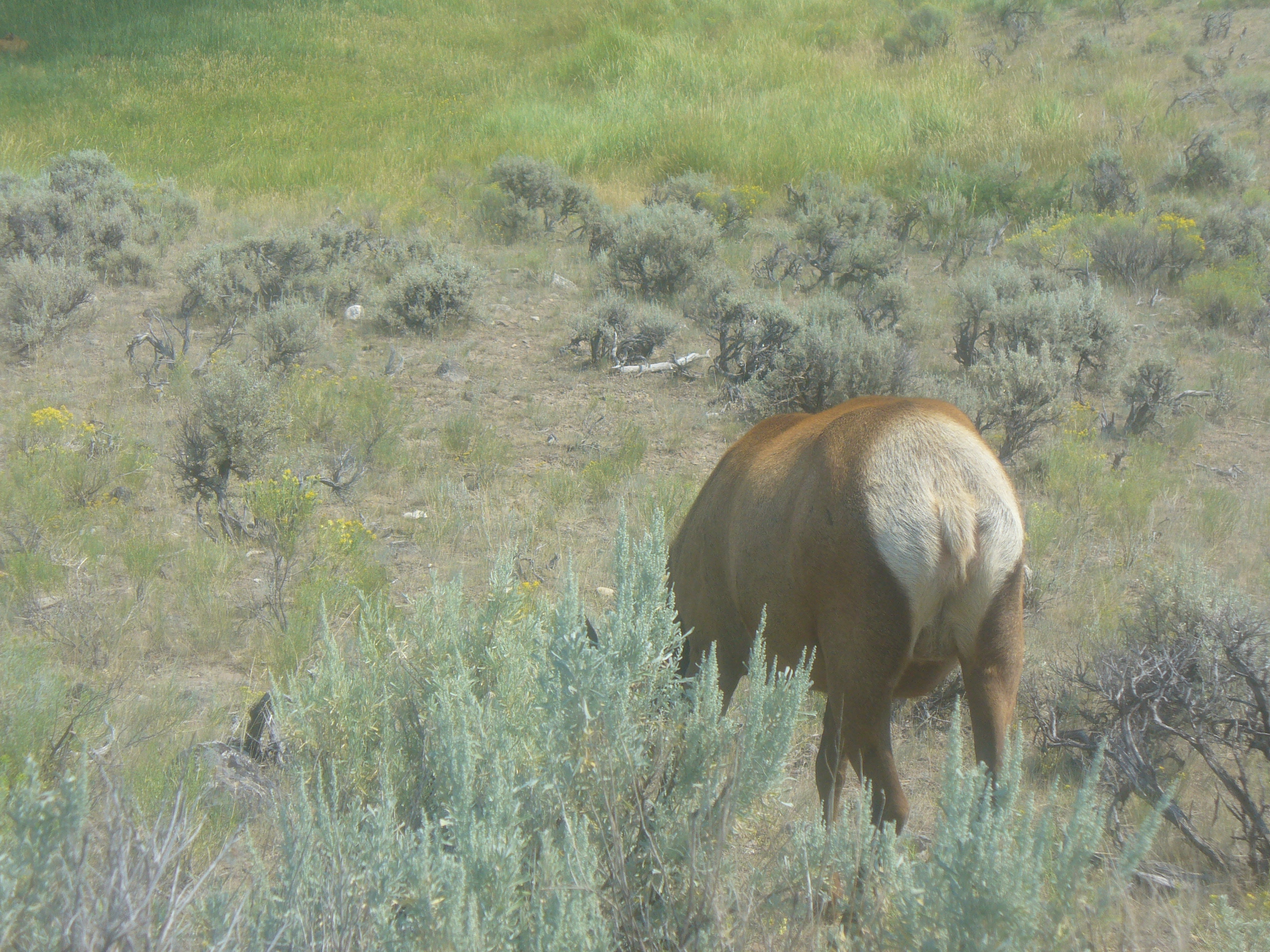

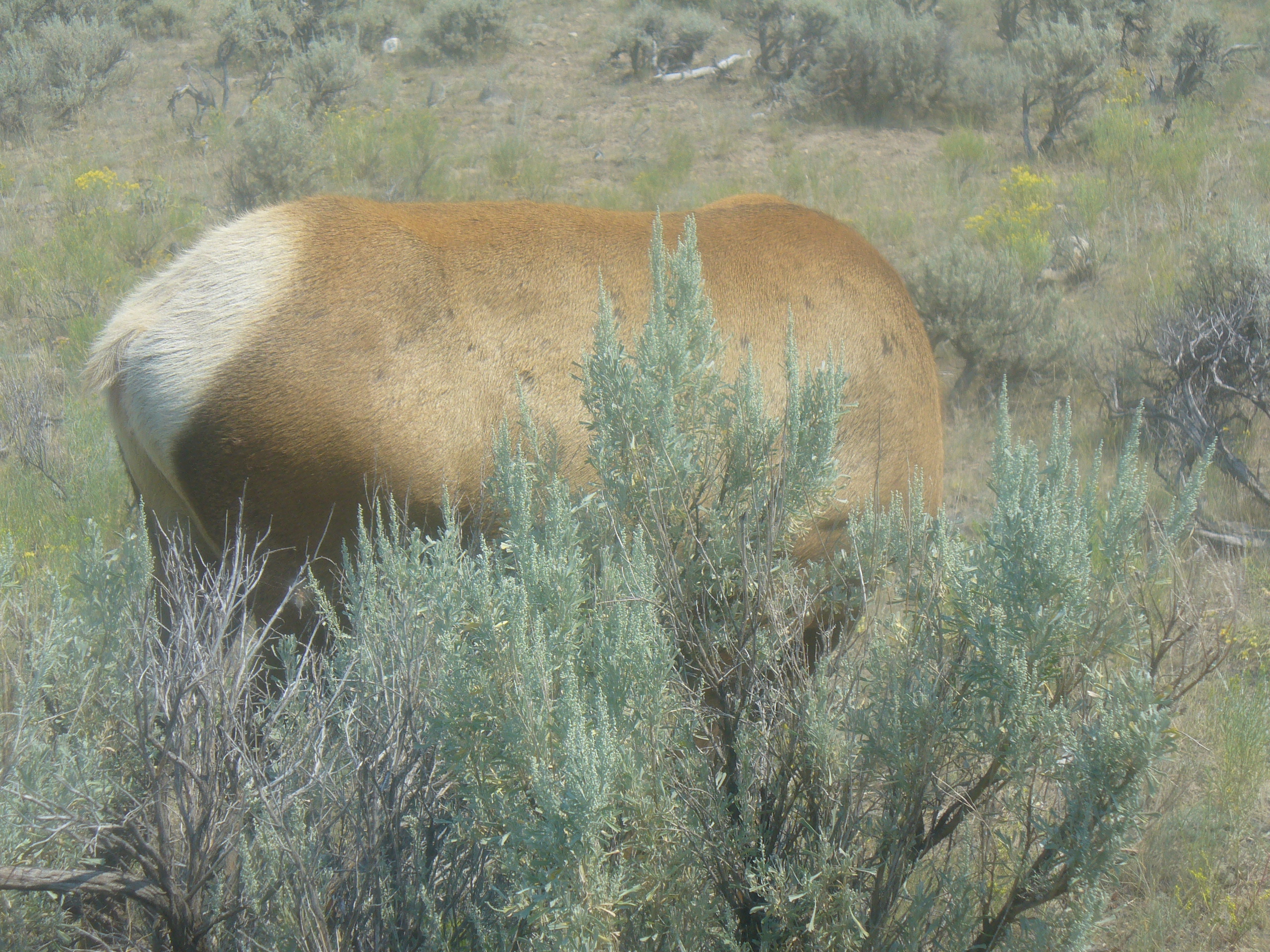

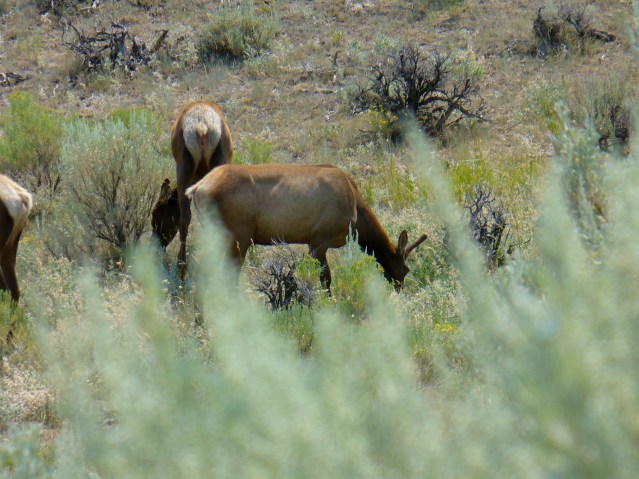
Animals grazing in Lamar Valley. Elk, above. Bison, below, by the Lamar river. Photos by Koli Mitra.


The temperature was not right for the famous Lamar Valley wolves to come out, but our guide pointed out telltale signs of wolf pups and their moms: pairs of tracks on the ground. Wolves have a long history in Yellowstone. Once abundant, they were hunted to near extinction in the early 20th century, before wildlife preservation measures were adopted. In fact, the depletion of the wolf population in the park wasn’t just a byproduct of hunting activities, but partly a result of a deliberate policy of “protecting” other animals by eliminating top predators. As wolves disappeared, populations of elk and other ruminants exploded, wreaking havoc on the park’s vegetation and disrupted the food chain in unexpected ways. For example, free from the threat of wolves, elk began to eat convenient supplies of brush and pine needles in the coniferous forest instead of escaping to higher grasslands to feed. This destroyed pine nuts, a dietary staple of black bears. These are the kinds of human-caused damage that led to the general the policy against intervention in the life of the ecosystem, and the idea that good stewardship requires knowing when to leave the wild alone in its wildness. However, in a rare exception to this non-intervention policy, wolves were reintroduced into the park in the 1990s in order to restore the balance in Yellowstone’s food chain, which had been so severely damaged by earlier human intervention.

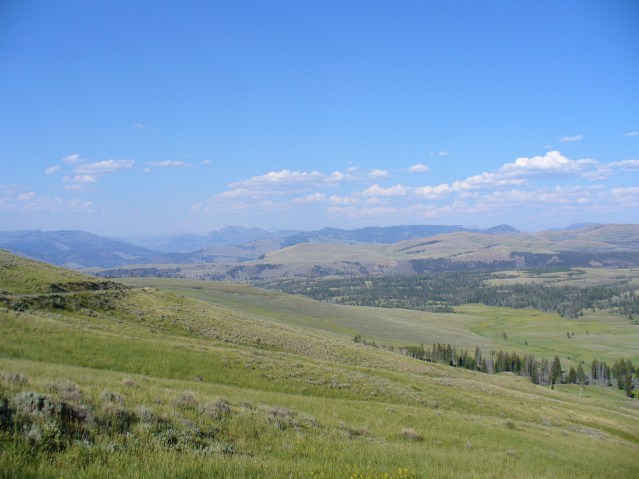
Dusk fell as we were passing Hayden Valley, where a purplish-orange sun melted over miles of rolling hills and glistening creeks. It was dark when we returned to the hotel.


(Above and Below): Some mountains and valleys between Roosevelt and Lake countries at dusk. Photos by Koli Mitra.
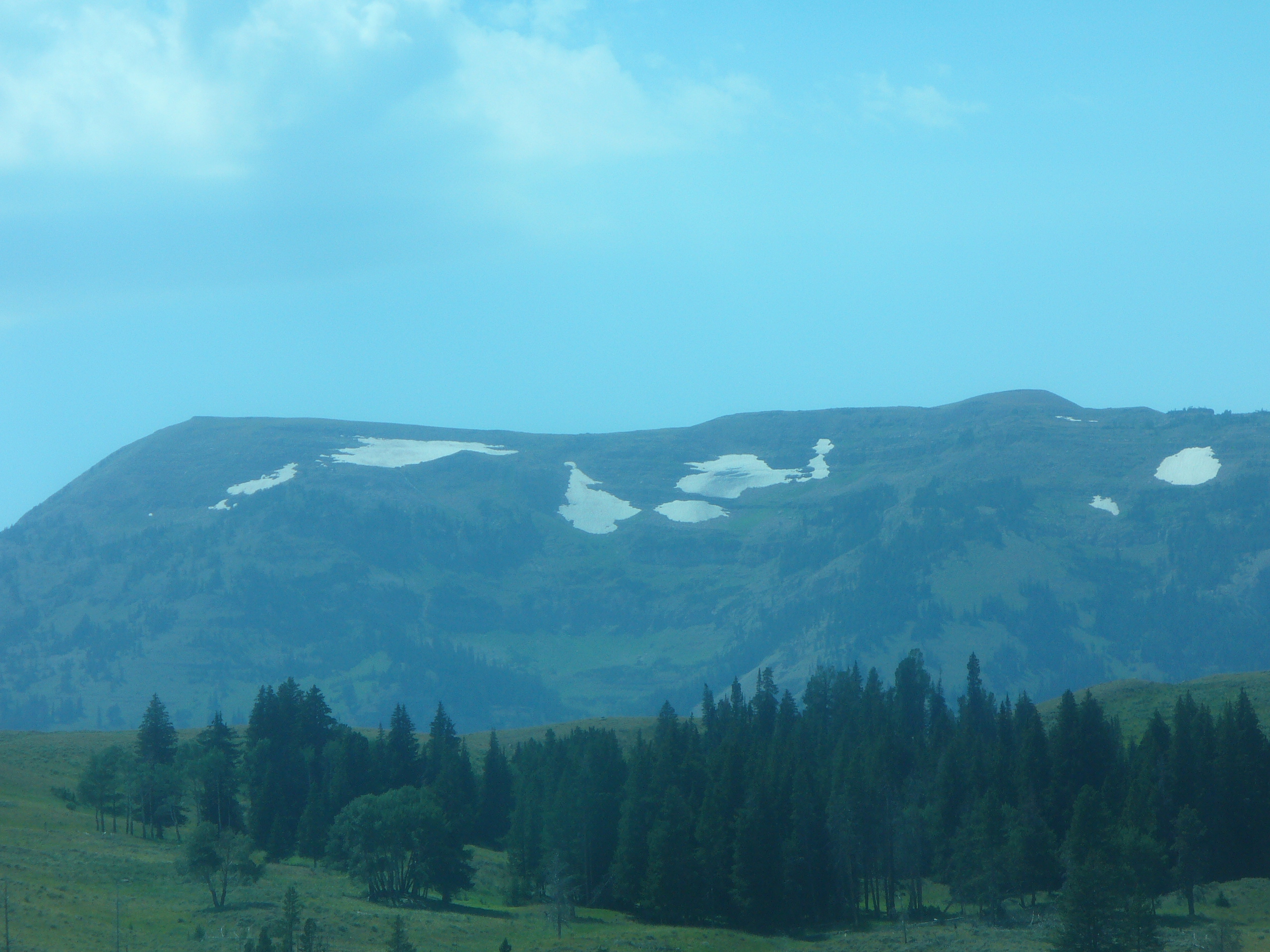
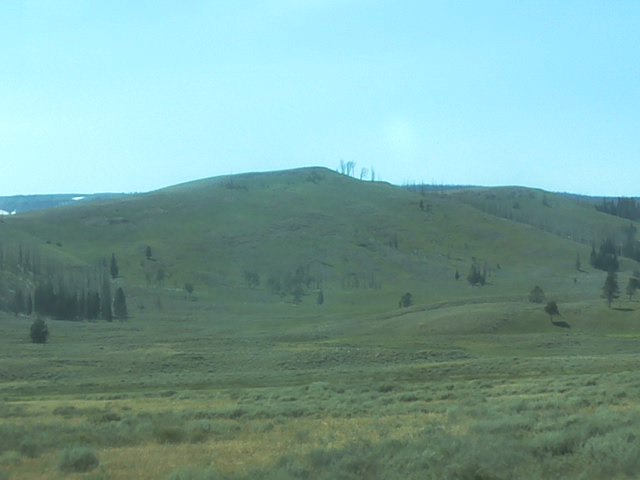
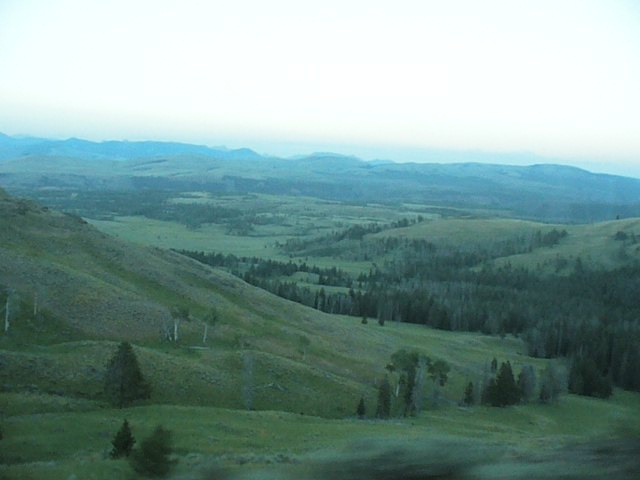


We skipped the ranger-led evening program (complete with stargazing and songs around the campfire). We were exhausted from travel and exhilaration. And the next morning’s plans were going to start at the crack of dawn.
(to be continued…)
Categories: Travel


 Cuckoo News
Even our country, Bharatvarsh, has equally good, if not even better, natural beauty and wild life diversity. Would advice some coverage of our national assets.
LikeLike